

Graphic design and user experience (UX) design are two disciplines that go hand in hand. A well-designed product, whether it’s a website, mobile app, or other digital platforms, depends heavily on how graphic design is integrated with UX principles. Understanding the approach graphic in UX design is crucial, as it highlights how design choices like typography, color, and layout impact the user’s experience. In today’s digital age, where user satisfaction plays a crucial role in product success, understanding the relationship between graphic design and UX design is essential. By leveraging key graphic design principles, designers can enhance the user experience, evoke emotions, and create meaningful connections between brands and their audiences.
Learn more about: Explain How Design Is Important to the Content
Understanding Graphic Design and UX Design
Graphic design is about creating visually engaging content. It focuses on aspects such as typography, color, and imagery to communicate a brand’s message. On the other hand, UX design prioritizes the interaction between users and a product, ensuring that it is intuitive, efficient, and accessible. While they are distinct fields, they overlap significantly because both aim to create products that are visually appealing and user-friendly.
Key Graphic Approaches in UX Design
1. Visual Hierarchy and Information Architecture

In UX design, visual hierarchy helps guide users through a product by arranging elements to emphasize the most important information. This is where graphic design plays a crucial role. Designers use visual hierarchy to draw users’ attention to key sections of a page, such as headers or buttons, through the use of color, size, and placement.
2. Design Consistency and Brand Identity
Consistent design elements such as color schemes, fonts, and logos are fundamental in both graphic design and UX. Consistency fosters brand recognition and builds trust with users. When users encounter a cohesive design, it makes the navigation experience smoother, as they know what to expect.
A brand’s identity should be reflected consistently across all platforms, ensuring that users can quickly associate design elements with the brand. When inconsistencies creep in, it can confuse users, degrade their experience, and harm the overall brand perception.
3. Typography and Readability
Typography is one of the most important aspects of graphic design in UX. The choice of fonts and their arrangement can significantly impact readability and user experience. Poorly chosen fonts can make content difficult to read, negatively affecting user engagement and retention.
By using legible fonts with appropriate sizing and spacing, designers ensure that users can easily consume content without strain. Typography should always be designed with accessibility in mind to cater to users with different needs, such as those with visual impairments.
4. Color Theory and Emotional Impact
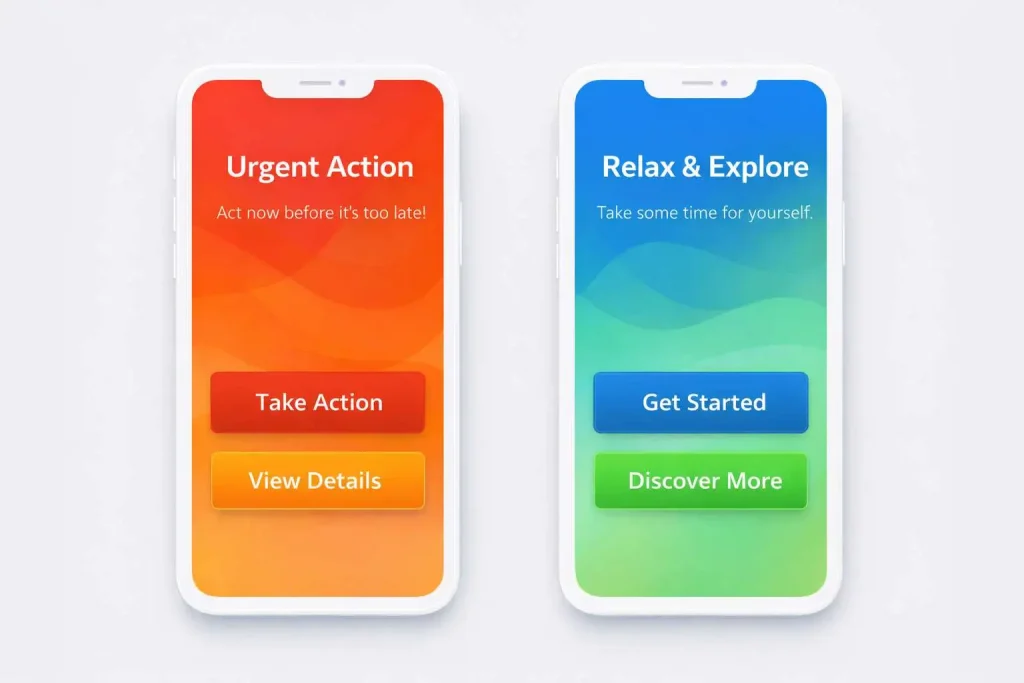
Color is a powerful tool in graphic design, with the ability to evoke specific emotions and drive user behavior. Colors can enhance the user experience by influencing feelings and actions. For example, warm colors like red or orange can evoke urgency or excitement, while cooler tones like blue or green may evoke calmness and stability.
In UX design, understanding color psychology helps create an emotional connection with the user, guiding their journey through the product.
Practical Applications of Graphic Design in UX Design
1. Designing Intuitive Navigation
One of the most critical factors in UX design is navigation. Intuitive navigation allows users to easily find what they need. Graphic designers contribute by structuring the layout, ensuring clear call-to-action buttons, and using visual cues to direct users towards important sections.
2. Enhancing User Interaction with Micro-Interactions
Micro-interactions are small, subtle animations or visual effects that guide users through tasks. For instance, when a user hovers over a button or clicks a link, a slight animation can confirm their action, providing feedback and enhancing the overall experience. These interactions, when used effectively, can make users feel more in control and satisfied with their journey.
3. Responsive and Adaptive Design
With the increasing variety of devices, responsive design has become essential. Graphic designers work alongside UX designers to ensure that websites and apps are optimized for all screen sizes, ensuring a seamless experience regardless of the device being used.
Case Studies: Graphic Design in Successful UX
Many successful companies have implemented excellent graphic design principles that significantly enhance the user experience. Take Airbnb, for example, which used a complete platform redesign to focus on building trust with high-quality images and personalized recommendations. This visually appealing approach made users feel more at home and connected to the platform.
Similarly, Spotify leveraged its intuitive user interface to make navigation seamless, adding personal touches such as mood-based playlists and a dark mode to enhance the overall experience.
Conclusion
Graphic design plays a pivotal role in shaping the user experience. By applying graphic design principles like visual hierarchy, consistency, typography, and color theory, designers can create engaging and accessible products that users love to interact with. Ultimately, a well-executed UX design doesn’t just make a product functional—it makes it memorable.
Learn more about: Human Factors Design