
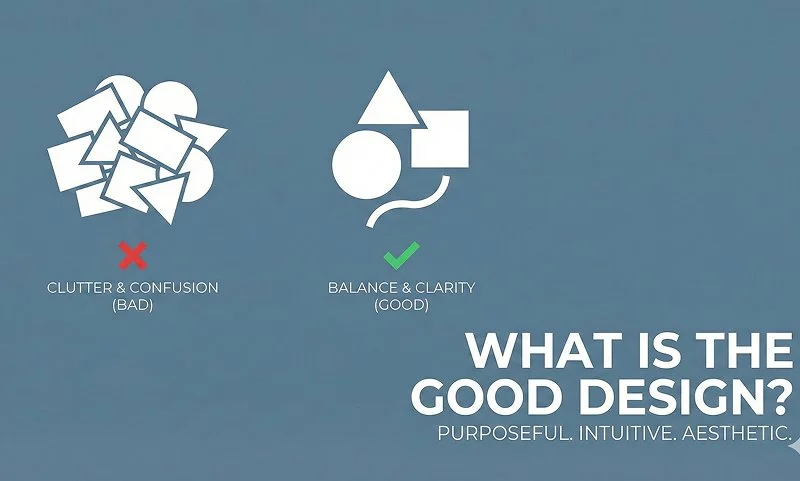
Good design is not just about aesthetics—it is about creating functional, user-friendly, and sustainable solutions. Whether you’re working on a product, service, or interface, understanding the core elements of effective design is essential to crafting lasting and impactful experiences. Renowned designer Dieter Rams has profoundly influenced the world of design by outlining principles that have set the benchmark for quality design across industries. This article will delve into the definition of good design, the principles behind it, and how you can apply them in your own work.
Learn more about: Elements and Principles of Design
What Defines Good Design?
At its essence, good design balances functionality with visual appeal. It should not only be attractive but also serve a clear, practical purpose. Rams emphasized that design should make life easier for users, solving real problems in a way that enhances their experience. Rather than just a decorative feature, good design should simplify tasks, enhance usability, and leave a positive impact.
In contemporary terms, good design goes beyond just meeting functional needs—it also improves the user’s emotional experience. It is intuitive, sustainable, and focused on user-centered outcomes. The goal is to create solutions that not only fulfill a need but do so in a way that brings lasting value and joy to the user.
The Ten Principles of Good Design by Dieter Rams
Dieter Rams developed ten guiding principles that have influenced generations of designers. These principles focus on making products simple, functional, and timeless. Let’s explore these principles:
1. Innovation
Innovation is the cornerstone of good design. It encourages designers to push boundaries and explore new technologies. Good design evolves as new possibilities arise. Being innovative doesn’t always mean creating something entirely new, but rather finding better, more efficient solutions to common challenges.
2. Usefulness
Every good design must serve a clear and practical purpose. The value of any design is found in how effectively it meets user needs. Without functionality, design becomes just a decoration. This is why designers must always ask: “How does this product help the user?”
3. Aesthetic Appeal
Aesthetics plays an important role in user satisfaction. Products that are visually appealing tend to engage users more effectively. However, beauty alone is not enough—good aesthetics must complement usability. The form and function should work hand in hand to create a harmonious product that enhances the user experience.
4. Clarity
Good design makes things clear and easy to understand. Whether it’s a product, an app interface, or an advertisement, clarity ensures that users know what they are interacting with and how to do so. Intuitive solutions minimize confusion and lead users toward their goals with ease.
5. Subtlety
Great design often goes unnoticed because it works seamlessly. Rather than drawing attention to itself, good design integrates into the user’s environment and enhances their experience without overstepping. Simple, unobtrusive solutions are often the most effective.
6. Honesty
Honesty in design means delivering on promises. A good design accurately represents its function and capabilities. Avoiding misleading or exaggerated claims is essential to building trust with users. A well-crafted product should only offer what it can truly deliver, ensuring reliability and transparency.
7. Durability
Good design endures over time. Durability doesn’t just refer to physical longevity, but also cultural and aesthetic relevance. The best designs are those that continue to serve their purpose long after their creation, avoiding trends that quickly become outdated.
8. Attention to Detail
Every small detail counts in a good design. Whether it’s a precise button, well-chosen material, or thoughtful feature, small elements can elevate the user experience. This attention to detail shows the care and expertise of the designer, ultimately improving the overall quality of the product.
9. Environmental Responsibility
Sustainability is an essential aspect of good design. Modern solutions must consider environmental impact, using sustainable materials and ensuring that products are recyclable or reusable. Designing with the planet in mind ensures that products are both functional and responsible.
10. Simplicity
Simplicity is often the most sophisticated solution. Good design cuts through unnecessary clutter and focuses on what truly matters. Streamlining features and eliminating extraneous details ensures that the product remains user-friendly and functional.
Examples of High-Quality Design
Good design is visible in many everyday products, from simple household items to cutting-edge technology. Rams’ influence is evident in Braun products, including radios, alarm clocks, and razors. These products exemplify the minimalist and functional aesthetic Rams advocated for.
In modern technology, products like the iPhone are prime examples of effective design. The iPhone combines sleek aesthetics with practical functionality. Its intuitive interface, minimal design, and seamless user experience have set the standard for smartphones worldwide.
From kitchen appliances to furniture, good design is all around us. The best designs are those that make our lives easier, solving problems with elegance and ease.
How to Apply the Principles of Good Design
Incorporating the principles of good design into your work can help you create products that are user-centered and impactful. Here are a few steps to follow:
Embrace Innovation
Stay up-to-date with technological advances and creative solutions. Innovation is about improving existing systems and finding new ways to solve problems.
Prioritize Functionality
Before focusing on aesthetics, ensure your product works well and solves a problem for users. Always consider how the product will benefit the user.
Simplify
Good design is often simple. Avoid unnecessary features and focus on delivering a product that is easy to use and understand.
Be Environmentally Responsible
Consider the environmental impact of your product. Use sustainable materials and ensure that your product can be recycled or reused.
Pay Attention to Details
Details matter in design. Small, thoughtful features can make a big difference in the user experience and contribute to the overall quality of the product.
Conclusion
Understanding the core principles of good design can help you create products that are not only aesthetically pleasing but also functional, sustainable, and user-friendly. By following these timeless principles, you can ensure that your designs remain relevant, innovative, and effective for years to come. Remember, good design isn’t just about looks—it’s about creating lasting value for users while solving real problems.